
Owner GuideAirbnb Rules in South Africa 2026: What Garden Route Holiday Home Owners Need to Know
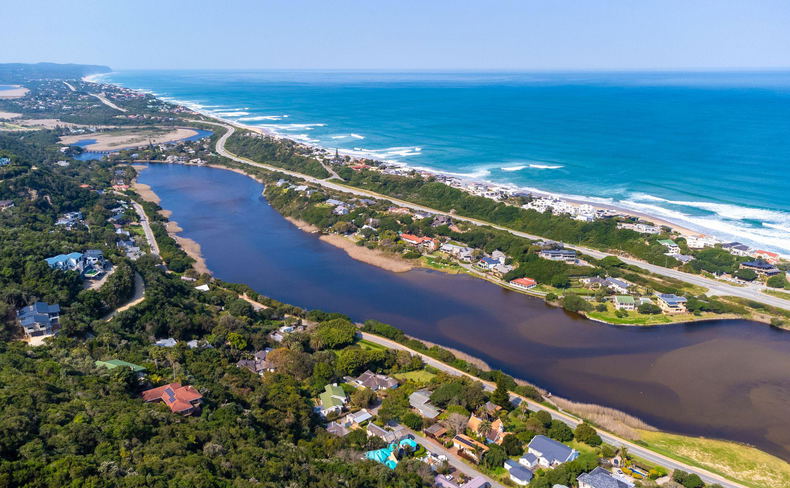
Short-term rentals are being pushed toward hotel-style standards. Here is what the 2026 changes mean for your Garden Route holiday home.
Short-term rentals are still legal across South Africa in 2026, with no national licence or ban. What has changed is the direction of travel: the Department of Tourism's Code of Good Practice, Cape Town's draft short-term letting by-law and tougher body corporate enforcement are all pushing Airbnbs toward hotel-style standards. Here is what that means if you own a holiday home in Wilderness, Sedgefield or George.
What is the Short-Term Rental Code of Good Practice?
In March 2026, Minister of Tourism Patricia de Lille gazetted a Code of Good Practice for short-term rentals under the Tourism Act of 2014. It is interim, non-binding guidance until the Act is amended, and the public comment period closed on 12 May 2026.
Even as guidance, it sets clear expectations. Hosts should:
- Tell guests about local bylaws and body corporate rules on noise, refuse, parking and shared areas
- Have clear visitor policies and take reasonable steps to enforce them
- Keep a responsible contact person available for neighbours' concerns
- Enforce occupancy limits and verify guest numbers
- Meet their tax obligations
- Show they actively manage guest conduct
Reporting on the draft also points to safety requirements and sharing guest information with authorities. Industry bodies have pushed back, but most commentators expect parts of the Code to become law.
What is Cape Town proposing, and does it affect the Garden Route?
On 5 October 2026, the City of Cape Town's draft short-term letting by-law made headlines. It would require hosts to register with the City, display a registration number and share availability data with booking platforms. Properties available for short-term letting more than 50% of the year would move to commercial property rates. One property expert estimated a home paying R10,000 a year in rates could pay about R24,000. Owners letting part of their primary home would be exempt.
The by-law is still a draft, and it applies only to the City of Cape Town. Garden Route municipalities set their own rules. It is, however, the clearest signal yet of where municipal policy is heading, so it is worth knowing your own municipality's zoning and rates position now.
Can my body corporate or HOA stop me letting on Airbnb?
Yes. Body corporates may restrict or prohibit short-term letting if the rule is reasonable, adopted by the required vote and applied equally to all owners. Courts have found this does not breach owners' property rights. Disputes are increasingly ending up at the Community Schemes Ombud Service or in court interdicts.
Many Garden Route holiday homes sit in estates and complexes, so this matters here. Before you list, read your conduct rules. If they are unclear, get the trustees' position in writing.
Tax: what does SARS expect from Airbnb owners?
All short-term rental income must be declared to SARS, and you can claim the related expenses. Keep proper records of every booking, payout and cost.
VAT registration becomes compulsory once your taxable supplies pass R2.3 million in any 12-month period. SARS has applied this higher threshold, up from R1 million, to new registrations since 1 April 2026. Speak to your accountant about how this applies to you.
A compliance checklist for Garden Route holiday home owners
- Confirm zoning and any consent use with your local municipality
- Read your body corporate or HOA rules before listing
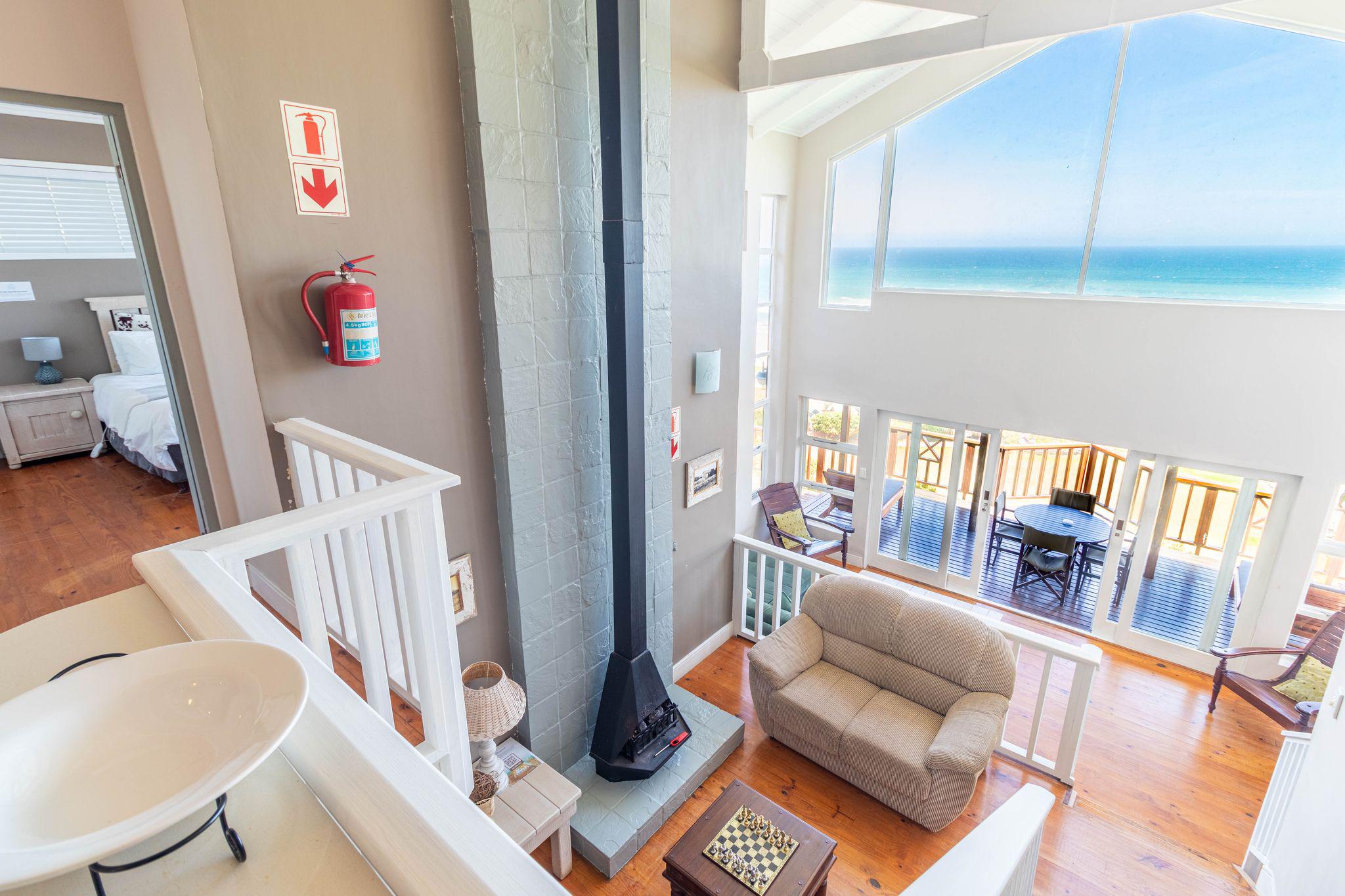
- Install smoke alarms, a fire extinguisher and a fire blanket, keep exits clear and post emergency numbers
- Write house rules covering noise, refuse days, parking and maximum guests
- Give neighbours a local contact person they can reach
- Tell your insurer the home is let short-term
- Handle guest ID and contact details in line with POPIA
- Keep income and expense records for SARS
How Peak Management keeps owners compliant
Since 2019 we have managed holiday homes across Wilderness, and most of this checklist is part of our standard service:
- House rules on every listing, and a full property briefing at every in-person check-in
- Guest numbers checked at arrival
- A local team that guests and neighbours can reach when something goes wrong
- An inspection after every check-out, with damage reported to you
- A live booking report you can open at any time, which doubles as a clean record for your accountant
- Guest information handled in line with POPIA
Frequently asked questions
Is Airbnb legal in South Africa in 2026?
Yes. There is no national ban or licence. The Code of Good Practice is guidance for now, and local municipal and body corporate rules still apply.
Do I need to register my Airbnb?
There is no national registration system. Cape Town's draft by-law would require registration in Cape Town only. Check zoning with your own municipality.
Can my body corporate ban Airbnb?
Yes, if the rule is reasonable, properly adopted and applied to all owners equally.
Will my property rates go up?
Cape Town has proposed commercial rates for homes let short-term more than half the year. Check your own municipality's rates policy.
This article is general information, not legal or tax advice. Last updated October 2026.
Sources: EWN, BusinessTech, Alertify, Daily Investor, SARS, Hostaway
Want the rules handled for you?
Peak Management lists, prices and manages holiday homes in Wilderness and compliance is included.
Share This Post