
Last summer's peak season ran under water restrictions in George. Here is where the rules stand now and how Wilderness owners can prepare their homes before December.
Owner GuideAirbnb's New House Rules From 20 November 2026: What Wilderness Owners Must Change
Posted by Dean on Tue November 24, 2026 in Owner Guides.
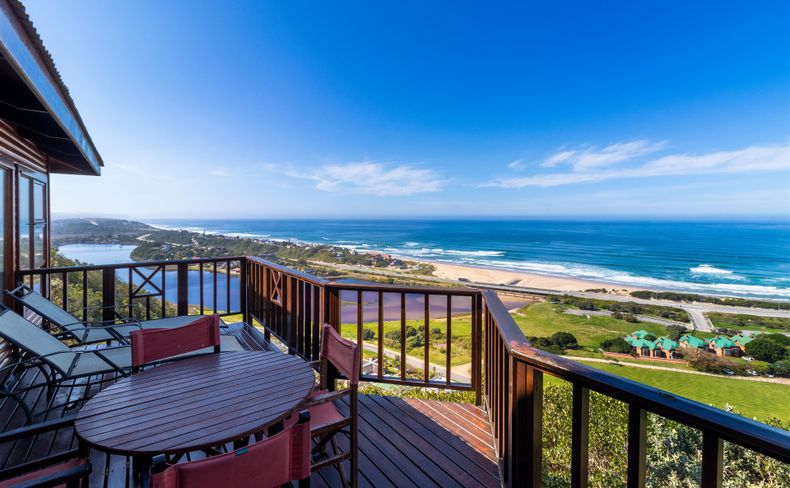
Airbnb's new house rules policy applies to bookings made from 20 November 2026. Here is what Wilderness holiday home owners must change on their listings before December.
From 20 November 2026, Airbnb no longer lets hosts give guests a list of checkout chores, charge their own fines, or add rules after a booking is made. If you let a holiday home in Wilderness on Airbnb, your house rules need to fit Airbnb's new "reasonable house rules" policy before the December rush, or your listing risks warnings, a notice on the listing page and lower search ranking.
Airbnb announced the change on 20 October 2026 and updated its guidance on 3 November. A second policy, on host-imposed contracts and personal information, starts on the same day. Both apply to reservations booked on or after 20 November, even for stays later in the season. Bookings made before that date stay under the old rules.
What exactly changes on 20 November?
Airbnb has reorganised house rules into seven standard rules, plus "Additional rules" that hosts write themselves. The standard rules are:
- Maximum overnight guests
- Pets
- Smoking, including vaping and e-cigarettes
- Quiet hours
- Events
- Commercial photography
- Lock up at checkout
The separate checkout instructions section has been removed from the listing editor. Anything beyond the seven standard rules now sits under Additional rules, and Airbnb says these must be reasonable. Airbnb started reviewing listings on 20 November and will keep doing so through March 2027. Hosts whose rules don't comply get at least 20 days to change them or appeal once.
What can you still ask guests to do before checkout?
Airbnb draws the line at work that takes real time or effort, or that a cleaner would normally do. Its own examples set the standard:
- Allowed: put used dishes in the sink, gather used towels, sort rubbish into the indoor bins, lock up.
- Not allowed: wash and pack away dishes, strip the beds or start laundry, take rubbish off the property.
For a Wilderness home, that matters on a busy changeover day. If your current listing asks December guests to strip beds and run the dishwasher before they drive back up the N2, that request has to go. The cleaning has to be planned and priced into the stay instead.
Can you still charge fines or extra fees?
No host-imposed fines or penalties. A "R500 fine for late checkout" or "R1,000 for smoking indoors" line in your house rules is now a policy breach. What you can do:
- Disclose fines that a body corporate, homeowners' association or the municipality could charge you, in the designated part of the house rules.
- Cancel a booking without penalty if a guest breaks a house rule during the stay, or says before check-in that they plan to.
- Contact Airbnb for next steps when something goes wrong.
Fees for any advertised part of the listing must be in the price shown at booking. If the braai, pool heating or fireplace is advertised in your listing, any charge for it must be part of the booking price, not collected separately later. Optional extras that are not part of the listing, such as breakfast, can still be described in the house rules.
What about ID copies, contracts and Wi-Fi logins?
The second policy, "Limiting host-imposed contracts and other requirements", replaces Airbnb's Off-Platform Policy. In short:
- ID documents: you may check a guest's ID in person at check-in if you disclose it in the listing, but you may not keep a digital or physical copy unless a law or a documented community association rule requires it.
- Contact details: you may not ask for phone numbers, email or home addresses unless an exception applies.
- Rental agreements: only allowed when required by law or community association rules, for an optional amenity, for stays of 28 nights or more, or for Airbnb Luxe listings. Contracts are uploaded to the listing and are publicly visible.
- Apps and Wi-Fi: guests cannot be forced to download an app to get in, and Wi-Fi login pages that ask for personal information are not allowed outside hotels and resorts.
- Reviews: you may not ask guests to review their stay on another website.
Where an exception does apply, you must state before booking what you collect and why, collect no more than you need, and store and dispose of it securely.
What does this mean for estates and complexes in Wilderness?
Many Wilderness holiday homes sit in estates or sectional title complexes with their own conduct rules: gate registration, parking, noise and pool hours. Airbnb's exceptions cover "documented" community association rules, so keep a copy of your body corporate or HOA rules handy. If Airbnb queries a rule, its appeal process lets you upload supporting files such as these.
Write any estate requirement clearly in the listing, explain why it exists, and ask for only the details the estate actually needs.
What should you change before December?
- Open your listing's house rules and move anything outside the seven standard rules into Additional rules.
- Delete chore requests such as stripping beds, washing dishes or taking rubbish to the drop-off.
- Remove any fines you set yourself. Keep only body corporate or municipal fines, clearly labelled.
- Check that every advertised feature is included in the nightly price.
- Remove old messages, signs and guidebook pages that add rules after booking.
- Upload body corporate or estate rules if you rely on them for any guest requirement.
How does Peak Management help?
Peak Management manages holiday homes in Wilderness, and our setup already suits the new policy. Guests don't need checkout chores because our professional cleaning team and linen rental service handle every changeover. We do in-person check-ins and check-outs, run inspections between stays, and handle guest communication so house rules are clear before anyone books. We set up and manage your online listings, optimise prices weekly, and give owners live booking reports. If you want your listing checked before the festive season, book a free walkthrough.
Frequently asked questions
Do the new Airbnb rules apply to bookings I already have?
No. They apply to reservations booked on or after 20 November 2026. Earlier bookings follow the previous policies, even if the guest arrives later.
Can I still ask guests to load the dishwasher?
Airbnb's guidance allows asking guests to put used dishes in the sink, but not to wash and put them away. Plan for your cleaner to handle the rest.
What happens if my house rules don't comply?
Airbnb may ask you to update the listing and issue warnings. If the problem continues, it may add a notice to your listing, reduce its search visibility or take other action. You get at least 20 days to fix or appeal a non-compliant rule.
Can I cancel if a guest breaks a house rule?
Yes. If a guest breaks a house rule during the stay, or says before check-in that they intend to, you can cancel without fees or other consequences.
Last updated November 2026.
Sources: Airbnb Resource Center: Important changes to house rules; Airbnb Help Centre: Reasonable house rules; Airbnb Help Centre: Limiting host-imposed contracts and other requirements
Get your Wilderness listing ready for the new Airbnb rules
Peak Management handles cleaning, linen, check-ins and guest communication for Wilderness holiday homes, so your guests never need a chore list. Book a free walkthrough before the festive season.
Further Reading

Water Restrictions and Your Wilderness Holiday Home: Getting Ready for Summer 2026
Sat November 14, 2026
Read This Article

Is a Garden Route Holiday Home Still Worth Letting on Airbnb in 2026?
Tue October 20, 2026
Read This Article
More homes are chasing the same guests. The latest George figures, who is booking, and what separates the homes that still earn well.

Airbnb Rules in South Africa 2026: What Garden Route Holiday Home Owners Need to Know
Tue October 13, 2026
Read This Article
Short-term rentals are being pushed toward hotel-style standards. Here is what the 2026 changes mean for your Garden Route holiday home.
Share This Post